

$10
Owners ManualMG ZS 2017 2018 2019 & 2020 OWNERS MANUAL
This owner's manual applies to the MG ZS 2017, 2018, 2019 & 2020 models.
0 Reviews | Purchase Below *
$25 USD


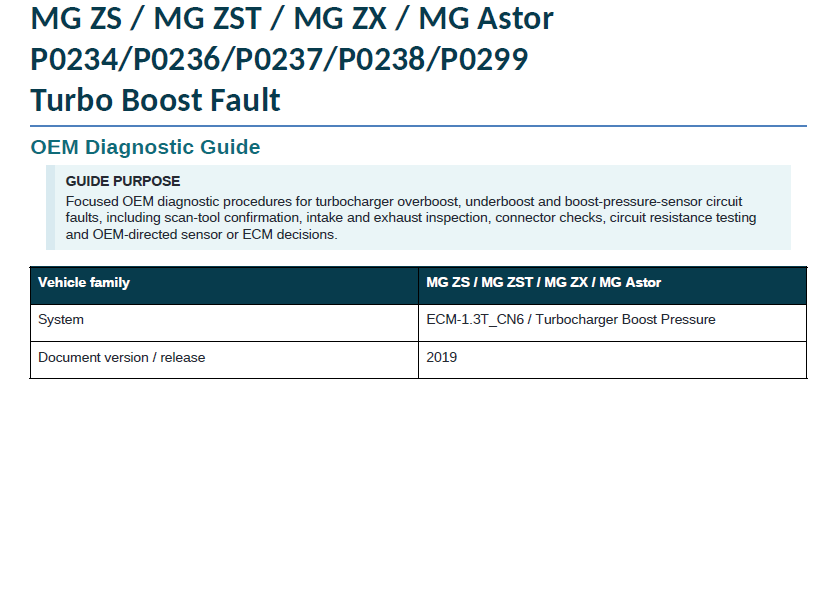
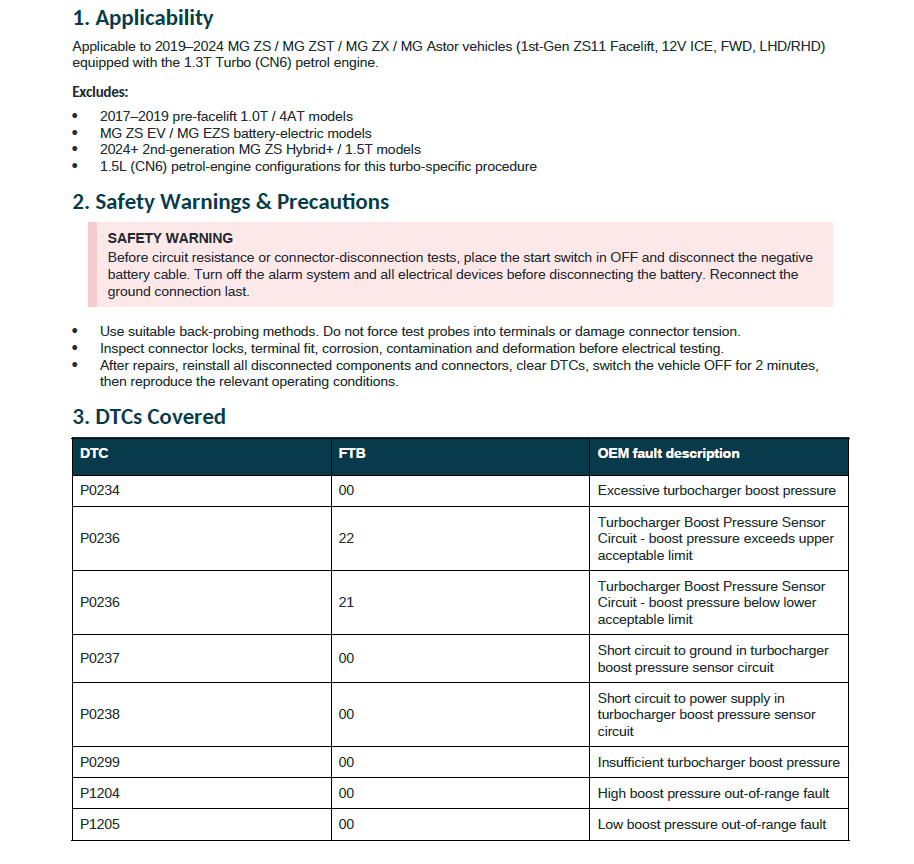
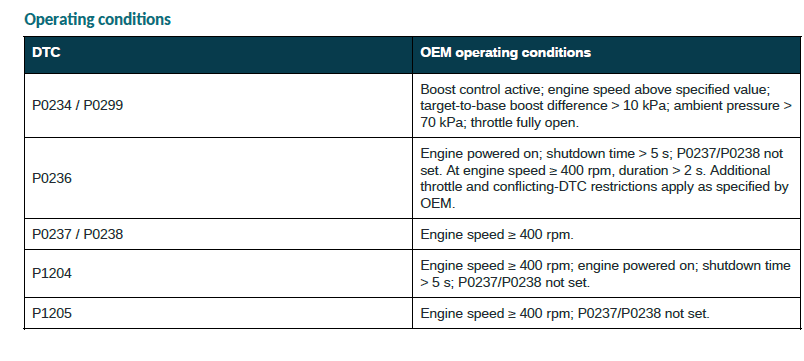
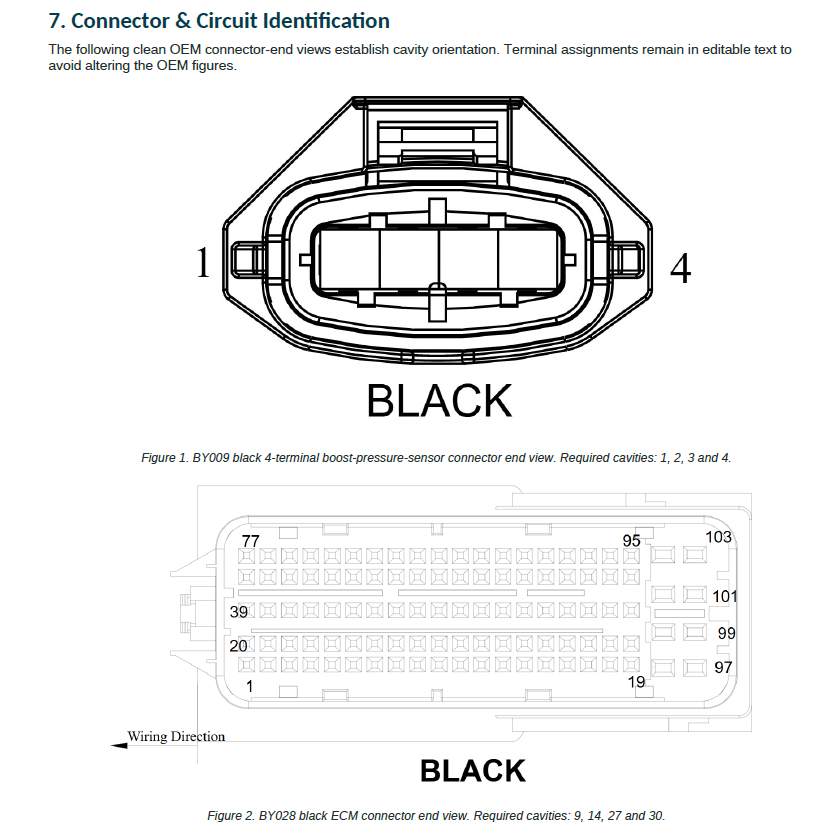
OEM diagnostic guide for 2019–2024 MG ZS / MG ZST / MG ZX / MG Astor 1.3T Turbo (CN6) LHD/RHD petrol models covering P0234, P0236, P0237, P0238, P0299, P1204 and P1205 turbocharger overboost, underboost and boost-pressure-sensor circuit faults, with scan-tool confirmation, intake/exhaust inspection, BY009-to-BY028 circuit resistance tests, sensor resistance testing and OEM-directed replacement decisions. Click To Read More
Product: Instant Digital Download (PDF)
Diagnose turbocharger overboost, underboost, and boost-pressure-sensor circuit faults using the step-by-step OEM diagnostic procedure to isolate air-path leaks, connector defects, harness faults, boost-pressure-sensor failure, or ECM faults.
Years Covered: 2019, 2020, 2021, 2022, 2023, 2024
Vehicle Specification: 1st-Gen ZS11 Facelift, 1.3T Turbo (CN6) Petrol, 12V ICE, FWD, LHD/RHD, ECM-1.3T_CN6
Excludes: 2017–2019 pre-facelift 1.0T / 4AT models, MG ZS EV / MG EZS battery-electric models, 2024+ 2nd-generation MG ZS Hybrid+ / 1.5T models, and 1.5L (CN6) petrol-engine configurations.
Included Links to OEM Source Material
Reference links are provided within the guide for:
The linked OEM source documents are separate reference resources and are not included with this Diagnostic Guide.
$10
Owners ManualThis owner's manual applies to the MG ZS 2017, 2018, 2019 & 2020 models.
$25
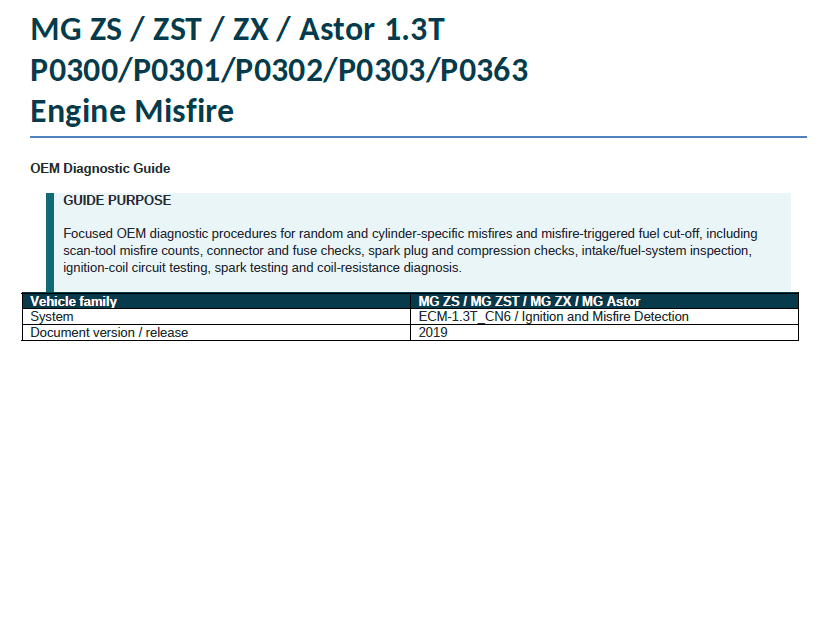
Diagnostic GuidesOEM diagnostic guide for 2019–2024 MG ZS / ZST / ZX / Astor 1.3T Turbo (CN6) LHD/RHD three-cylinder petrol models covering P0300, P0301, P0302, P0303 and P0363 random, cylinder-specific and fuel-cut misfire faults, with scan-tool misfire count confirmation, fuse F12 and connector checks, spark plug and compression testing, ignition-coil circuit testing and coil resistance diagnosis.
$10
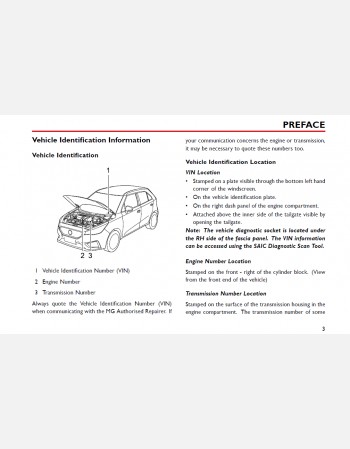
Owners ManualThis owner's manual applies to the 2019 MG3, 2020 MG3, 2021 MG3, 2022 MG3, 2023 MG3 & 2024 MG3 models.
$10
Owners ManualThis owner's manual applies to the 2016, 2017 & 2018 MG3. For right-hand drive.